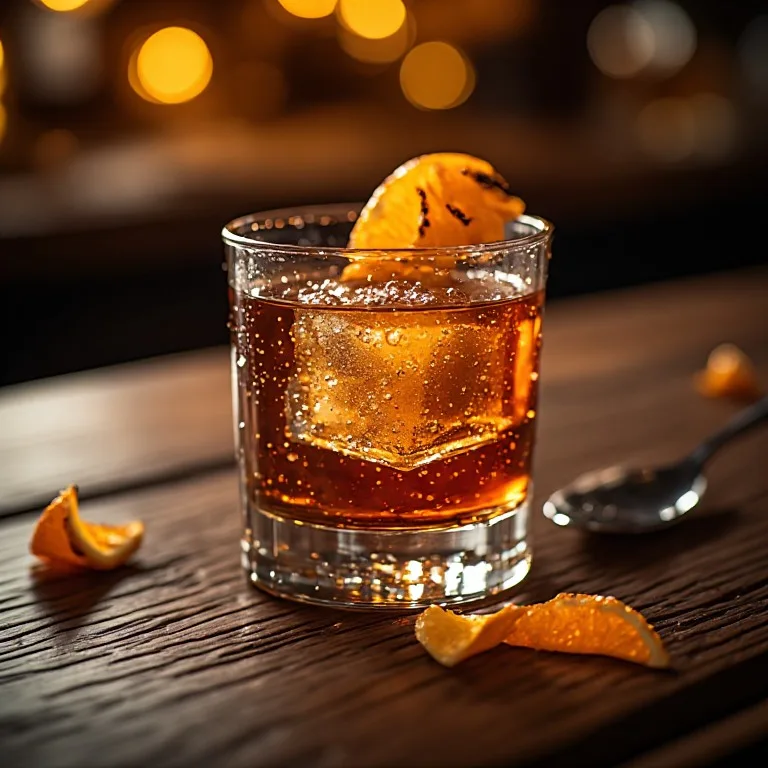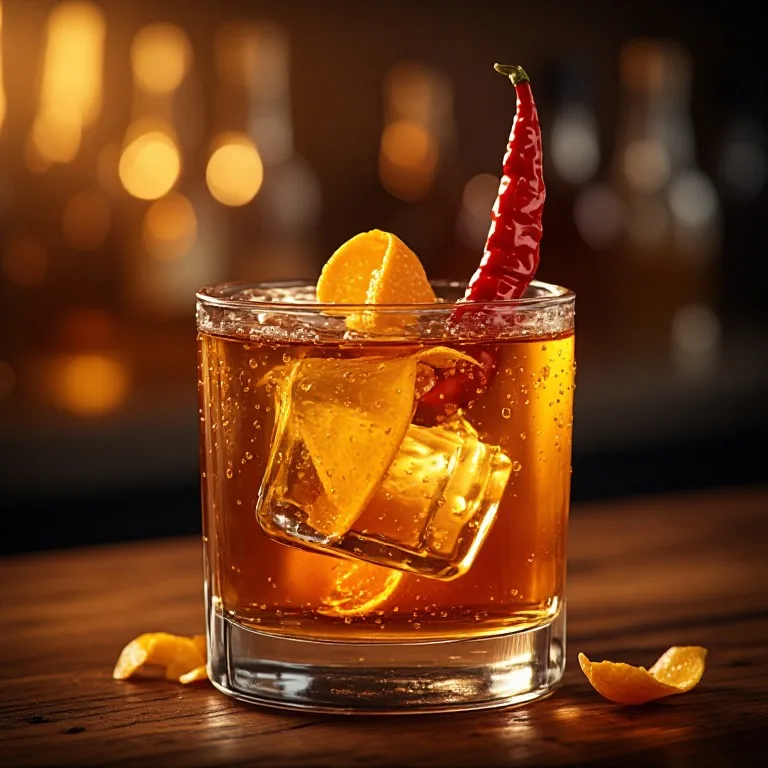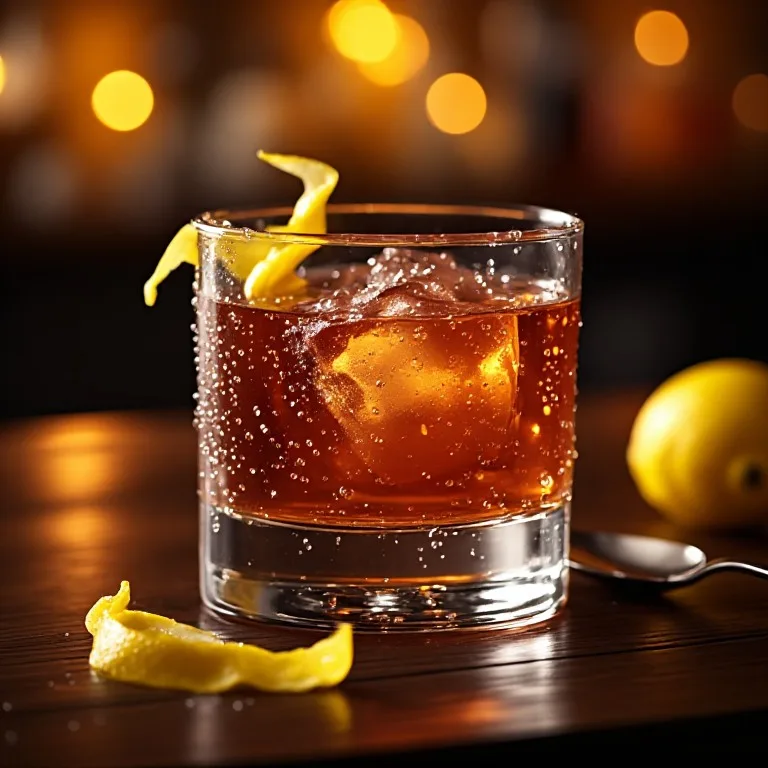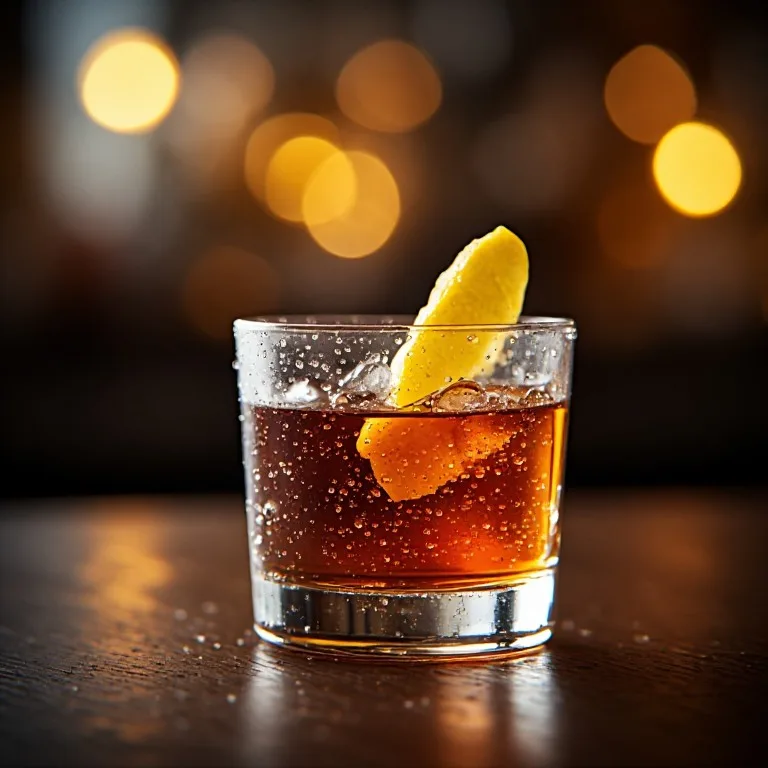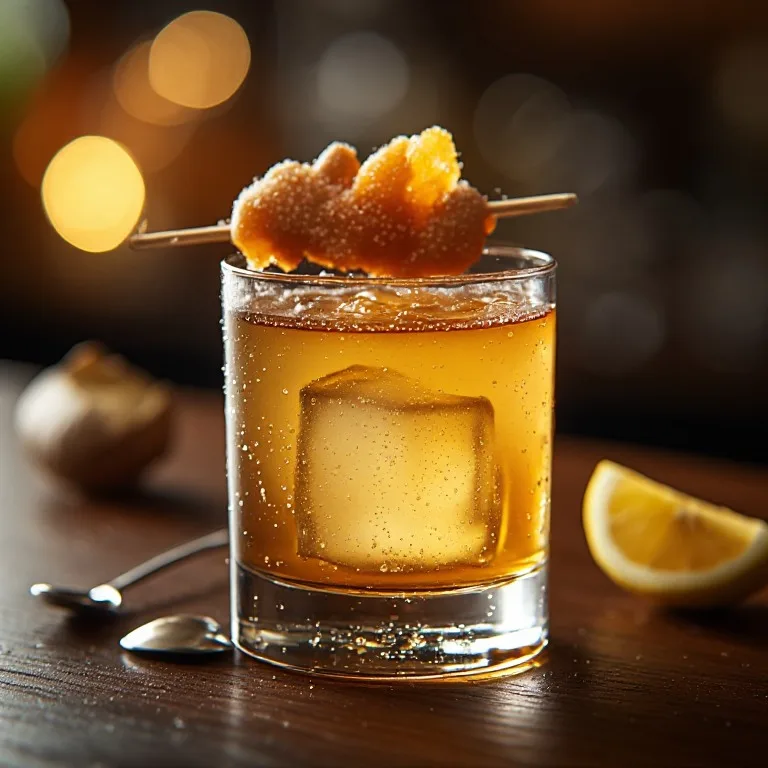
Most modern cocktails don’t make it past the bar that invented them. The Penicillin did. Within a few years of its creation, it was being made in cocktail bars from Sydney to London, and today it’s one of the few drinks from the 2000s cocktail revival that bartenders treat as a true classic.
Where It Came From
Milk & Honey opened in 1999 at 134 Eldridge Street on New York’s Lower East Side. Founder Sasha Petraske ran it as a reservation-only, rules-heavy bar where drinks were built carefully with fresh juice and hand-cut ice, and it became a training ground for a generation of bartenders. Sam Ross, who came from Australia, created the Penicillin there in 2005.
The story is that a delivery of Compass Box whiskies came into the bar and Ross played with them. He took a Gold Rush (bourbon, lemon and honey), switched the bourbon for blended Scotch, added ginger to the honey syrup, and topped it with a splash of smoky Islay Scotch.
The original bar no longer exists. Petraske moved Milk & Honey to East 23rd Street in 2012 and handed the Eldridge Street space to Ross and Michael McIlroy, who reopened it as Attaboy. The 23rd Street bar later closed, and London’s Milk & Honey closed in 2020. Petraske died in 2015. The drink lives on.
What Makes a Good Penicillin
The spec is simple: 2 oz blended Scotch, ¾ oz lemon, ¾ oz honey-ginger syrup, shaken, served over a big cube, with ¼ oz Islay Scotch floated on top. Each ingredient has a job:
- Blended Scotch is the soft, malty base. A peaty single malt as the base would be too smoky.
- Honey-ginger syrup brings sweetness, floral honey and heat.
- Lemon keeps it bright.
- The Islay float is the aroma. Because it sits on top, you smell smoke before you taste anything.
Why Most Home Versions Disappoint
The biggest problem is weak ginger. Many recipes call for steeping sliced ginger in syrup, which gives a mild flavor. The original uses fresh ginger juice, which is spicy and sharp. Without that heat, the honey makes the drink taste flat and sweet.
The second problem is mixing the smoky Scotch into the drink rather than floating it. Shaken in, it gets lost in the citrus. Floated, it’s what makes the Penicillin distinctive.
Using pure honey instead of a syrup is the third. Cold honey seizes when it hits ice and won’t mix in. Thin it with water first.
The Key Technique: Ginger Juice
Chop unpeeled fresh ginger, blend it with a little water, and squeeze it through a fine strainer or cheesecloth. Stir that raw juice into honey that’s been loosened with warm water. Don’t cook the ginger — heat mellows it. The syrup keeps for about two weeks in the fridge.
Batching
The base batches perfectly. Mix Scotch, lemon and syrup with some water for dilution and chill it. At serving time, pour over large cubes and float the Islay whisky on each glass. The float must be done one glass at a time.
The Mocktail: Smoke & Honey
The trick is lapsang souchong, a Chinese black tea that’s smoked over pine. Brew it strong, cool it, and float a half-ounce on top, just like the Islay. Use cold black tea or a zero-proof whisky alternative as the base, and keep the honey-ginger syrup and lemon. It has the same smoky nose and spicy finish.
Choosing the Scotches
You need two different whiskies, and they do different jobs. The base should be a smooth, affordable blended Scotch — Monkey Shoulder, Famous Grouse, Dewar’s 12 or Compass Box Great King Street. A peated blend like Johnnie Walker Black works too and adds a little smoke throughout.
The float needs to be strongly smoky. Islay single malts — Laphroaig 10, Ardbeg 10, Lagavulin 16 — are the classic choices. A quarter-ounce per drink means a bottle will last for dozens of Penicillins.
Enjoy responsibly — must be 21+.